Every family has its rituals, and ours revolved around Sunday dinners.
After my father died three years ago, my mom made it a point to gather us at her house every single week, no matter what. Those meals weren’t just about eating together — they were her way of keeping Dad close, of making sure his presence never faded.
So when she sent a brief text one Sunday afternoon that simply said, “Please don’t come today,” my heart sank. No explanation. No smiley face. Just five unsettling words. My brother and I exchanged a look and knew instantly something was wrong. We ignored the message, got into the car, and drove straight to her house, anxiety tightening in our chests.
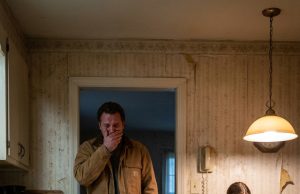
The porch light was on when we arrived, but no one answered the door. I used my spare key and stepped inside, calling her name. What I saw in the kitchen stopped me cold. A man sat at the table, broad-shouldered, with a posture so familiar it stole the air from my lungs. From behind, he looked exactly like our dad. My brother walked in behind me and froze.
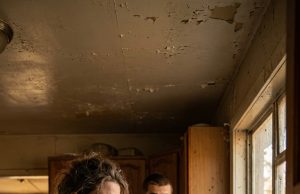
Mom stood at the counter, quietly slicing carrots, her face drained of color. Without turning around, she murmured, “Why didn’t you listen?”
Then the man turned toward us. His face wasn’t identical, but the resemblance was so striking it felt like seeing a shadow of someone we’d buried.
Through tears, Mom finally explained. The man was James — our father’s twin brother. We were stunned. We had never heard his name before. She told us she had known James before she ever met Dad. They had shared something intense and meaningful, but one day he disappeared without a word. Dad came into her life afterward, offering steadiness, kindness, and love. Years later, she confessed everything to him. He forgave her — but not his brother. James’s betrayal was something he could never accept, and he insisted James stay out of our lives forever.

Now, decades later, James had come back, asking for forgiveness and hoping to meet the family he’d never known. My brother and I listened quietly, caught between compassion and resentment. In the end, we told him plainly that he couldn’t stay — not when his presence reopened wounds that had barely healed. James nodded, said nothing, and walked out the door.
The moment it closed, Mom broke down, overwhelmed with guilt for dragging the past into the present.
We wrapped our arms around her, reminding her that she had given us a loving childhood and that her marriage to Dad had been real, deep, and unshakable.
That night, there was no carefully prepared meal — just pizza boxes on the counter and mugs of tea passed from hand to hand. Yet somehow, it became one of the most meaningful dinners we’d ever shared. Before we left, Mom sent a message to the family group chat: “Dinner next Sunday, 6 p.m. Bring containers. And maybe a hug.”
In that moment, I understood that even the most shocking truths couldn’t tear us apart. They only showed us how much we needed one another.